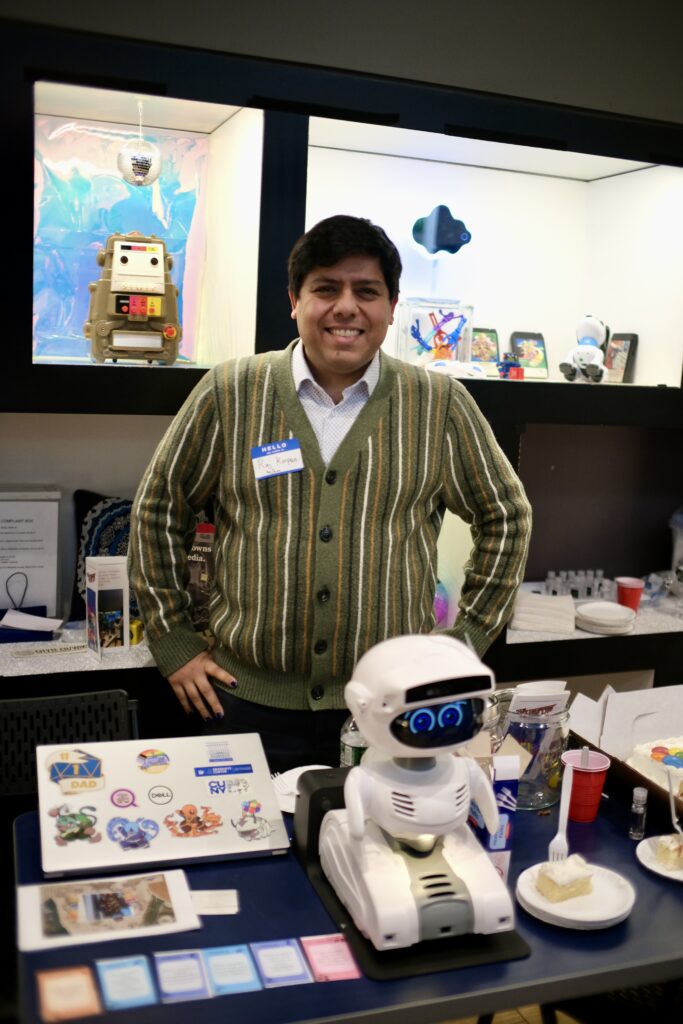
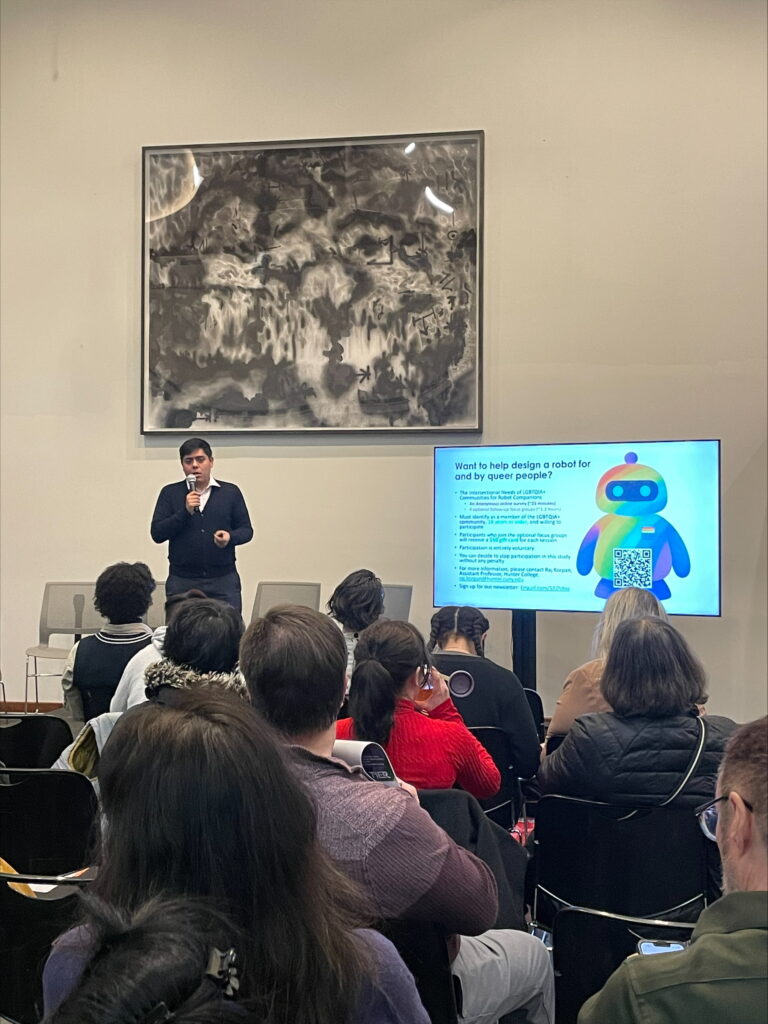
I’m Raj Korpan, an Assistant Professor of Computer Science at Hunter College of the City University of New York and a Doctoral Faculty member at the CUNY Graduate Center. My career path has been nonlinear, shaped by a series of pivots across finance, statistics, and computer science, each of which informs how I think about technology, responsibility, and human-centered design today.
I began my undergraduate studies in economics and finance, a field I entered with limited exposure to alternative career paths. During college, I was still figuring out my academic interests and sense of direction. Although I completed an honors capstone that involved research, I did not yet see research or academia as a realistic career option and focused instead on entering the financial sector.
After graduating, I worked at JPMorgan Chase in a variety of roles spanning operations, technology, and investment banking. I also did consulting and freelance work at the intersection of technology and finance. These experiences gave me a strong appreciation for large-scale systems, applied problem-solving, and working with data in real-world contexts. At the same time, I realized that the corporate environment was not a good long-term fit for me. That realization ultimately prompted me to rethink my career goals and consider paths that aligned more closely with my intellectual interests.
Because I had always enjoyed working with data and quantitative methods, I returned to school to pursue a master’s degree in statistics at Baruch College. My initial plan was to transition into industry as a data scientist. While completing the program, however, I was given the opportunity to work on research and serve as a teaching assistant. Through this experience, I discovered that I was deeply motivated by research and teaching, which provide the chance to explore complex questions, develop new ideas, and help students build confidence in technical material. With encouragement from my mentor, I decided to apply to PhD programs.
I ultimately joined the computer science PhD program at the CUNY Graduate Center, despite coming from a nontraditional background and having no prior formal training in computer science. I was fortunate to work with an advisor who valued interdisciplinary perspectives and trusted that my background in statistics, probability, and applied work could translate into strong contributions to computer science research. During my PhD, my work focused on artificial intelligence for robotics, including cognitively inspired approaches to robot navigation, metareasoning, and explainable AI systems designed to support human understanding and trust.
As my research developed, so did my interest in the broader ethical and social implications of AI and robotics. I became increasingly engaged in questions of inclusivity, representation, and responsibility in technology, particularly within human-robot interaction. Near the end of my PhD, I connected with Queer in AI, a professional community that brought together technical research and critical perspectives on identity and inclusion. This experience helped shape my commitment to community-centered and participatory approaches to AI research, and later led me to co-found Queer in Robotics.
After completing my PhD, I joined the faculty at Iona University before returning to CUNY as an Assistant Professor at Hunter College. I now direct the Trustworthy, Intelligent, and Explainable Robotics (TIER) Lab, where my research focuses on responsible AI, human-robot interaction, trust, explainability, and inclusive design. My work bridges technical AI research with insights from cognitive science, ethics, and public interest technology, with the goal of building intelligent systems that are socially aware and aligned with human values.
Across my research, teaching, and service, I am motivated by the belief that impactful technology requires both technical rigor and careful attention to social context. I am especially committed to mentoring students from diverse and nontraditional backgrounds and to creating academic spaces where interdisciplinary thinking and ethical reflection are central, not peripheral, to computing education.

